
 Available in US
English Cricket Formats: Betting on Test, ODI & T20

Cricket might be the only major sport where understanding the format you’re watching matters as much as knowing the teams involved. You could watch England demolish an opponent in a T20 international on Friday evening, then see the same players struggle through a rain-affected County Championship draw by Sunday afternoon, and both results would make perfect sense if you understood what each format demands. For bettors, this isn’t academic curiosity. It’s the difference between backing markets that suit your knowledge and throwing money at situations you don’t really grasp.
The problem most newcomers face is that cricket formats aren’t just different lengths of the same game. They’re fundamentally different contests that reward different skills, produce different rhythms, and create entirely separate betting landscapes. A batsman who averages 45 in Test cricket might average 25 in T20 internationals, and that’s not because he’s suddenly become worse at cricket. The formats demand different approaches, and players who excel in one often struggle in another. The same logic applies to your betting. Strategies that work beautifully for Test cricket will lose you money in T20, and vice versa.
What follows is a comprehensive breakdown of every format you’ll encounter when betting on English cricket. We’ll cover the international formats that attract the biggest betting volumes, the domestic competitions that offer value for those willing to do proper research, and the specific characteristics of each that should inform your market selection. By the end, you’ll understand not just what these formats are, but how their differences create distinct betting opportunities.
The five-day Test format reaches its absolute pinnacle during historic rivalries, which is why we created our dedicated Ashes betting strategies guide.
Test Cricket: The Five-Day Challenge
Test cricket remains the format that separates casual fans from genuine cricket lovers, and it creates a betting environment unlike anything else in sport. Matches can last up to five days, each team bats twice, and draws are not just possible but common. This creates complexity that many bettors find intimidating, which is precisely why those who understand Test cricket often find better value than in more straightforward formats.

The basic structure sees two teams of eleven players competing over a maximum of five days, with each side getting two innings to bat. The team that scores more runs across their two innings wins, unless time runs out before a result is achieved, in which case the match is drawn. This sounds simple enough, but the implications for betting are profound. Unlike limited-overs cricket where one team must win, Test cricket offers three possible outcomes, and the draw is often underpriced by bookmakers who cater to casual bettors wanting decisive results.
England’s Test calendar typically features home series during the summer months, with touring nations visiting for anything from two to five Test matches. The Ashes against Australia commands the most attention, but series against India, South Africa, and other top nations generate significant betting interest. England also tour during the winter, playing away series that often present different challenges and betting angles.
For bettors, Test cricket rewards patience and understanding of match flow. First innings totals often determine match trajectory, with teams posting 400 or more generally establishing strong positions. Pitches deteriorate over five days, meaning batting becomes progressively harder, which affects how you should approach markets on later innings. Weather interruptions can transform winning positions into draws, requiring constant reassessment of match winner odds.
The draw market deserves particular attention. Many recreational bettors ignore draws entirely, focusing only on which team will win. This creates systematic value for those who understand when draws become likely. Rain forecasts, slow over rates, flat pitches that don’t deteriorate, and evenly-matched teams all increase draw probability. Bookmakers know this, but they also know their customers want action on winning teams, so draw prices often exceed fair value.
Session betting offers another Test-specific opportunity. Matches are divided into morning, afternoon, and evening sessions, with markets available on runs scored during each. Morning sessions typically favour bowlers when the ball is new and conditions fresh, while afternoon sessions often see batting become easier as the pitch settles. These patterns aren’t universal, but they’re consistent enough to provide betting edges for those who understand them.
England’s adoption of aggressive cricket under Ben Stokes and Brendon McCullum has changed Test match dynamics significantly. Draws have become less common for England matches as they pursue results regardless of match situation. This philosophical shift means England matches often provide better value on outright results than on draws, reversing traditional patterns. Their willingness to chase ambitious totals also creates opportunities in fourth innings markets that wouldn’t exist against more conservative opponents.
One Day Internationals: The 50-Over Battle
One Day Internationals occupy a middle ground between Test cricket’s marathon and T20’s sprint. Each team faces exactly fifty overs, creating matches that last roughly eight hours and produce a guaranteed result barring weather abandonment. The format demands different skills from Test cricket, rewarding batsmen who can score quickly while still valuing the patience to build innings that last deep into the allotted overs.
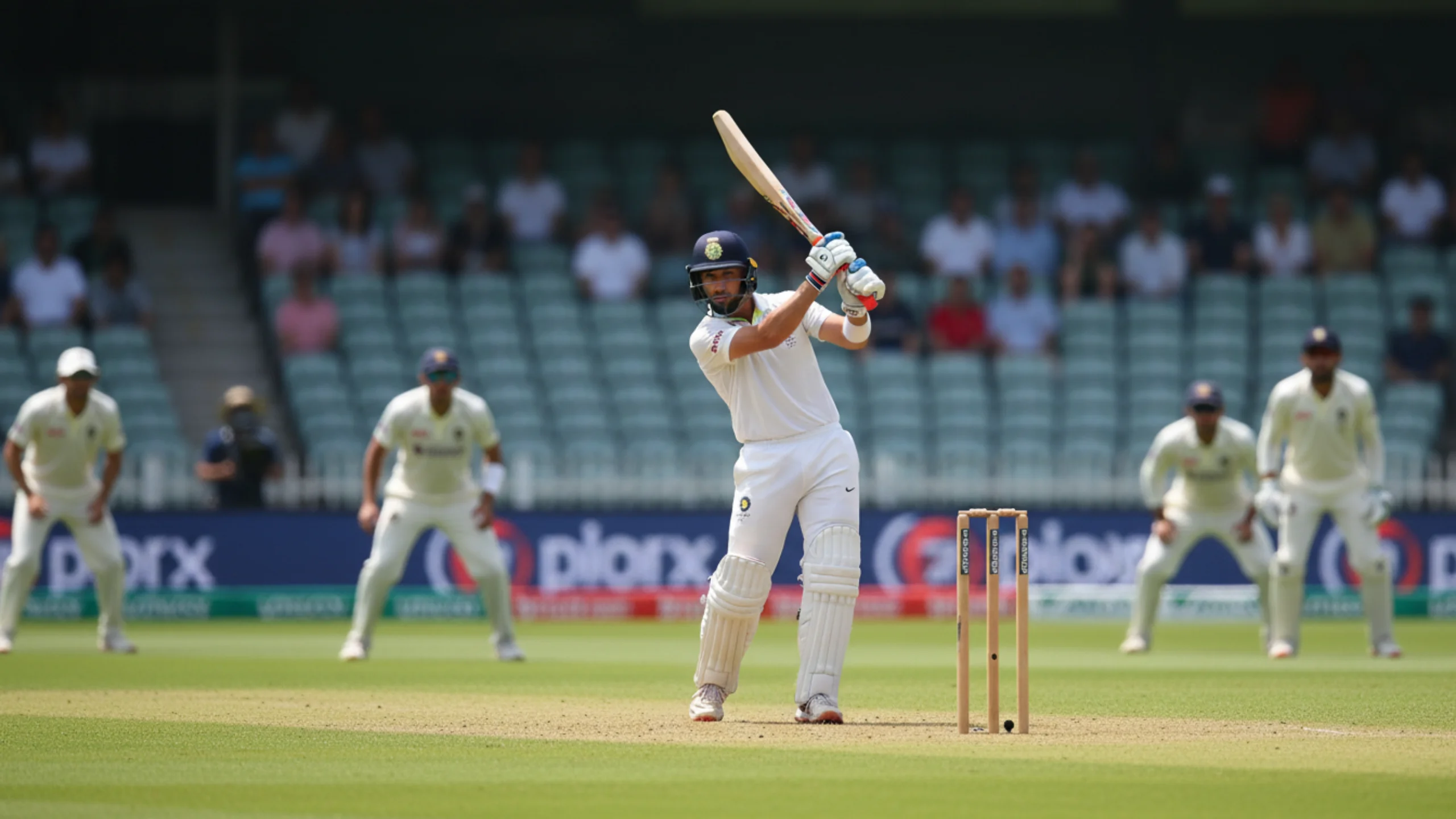
The structural simplicity of ODIs makes them accessible for newer bettors. Two teams, one innings each, whoever scores more wins. No draws to complicate things, no multi-day scheduling to monitor. This accessibility means ODI markets attract significant betting volume, which generally makes odds more efficient than in less popular formats. Finding value requires more sophisticated analysis because bookmakers devote more resources to pricing these markets correctly.
England’s ODI record has been transformed over the past decade. Their 2019 World Cup victory on home soil represented the culmination of a deliberate strategy to become the world’s best white-ball team. That generation of players brought explosive batting, varied bowling attacks, and athletic fielding that changed expectations for what England could achieve in limited-overs cricket. The current side maintains much of that approach, though personnel changes mean form analysis matters enormously for individual player markets.
Betting on ODIs requires understanding the distinct phases of an innings. The powerplay overs at the start, when fielding restrictions apply, typically see aggressive batting and higher scoring rates. Middle overs often see consolidation as batting sides protect wickets for the death overs push. The final ten overs then produce fireworks as established batsmen attack with wickets in hand. Each phase creates different betting angles, from powerplay run totals to death overs scoring rates.
Match winner markets in ODIs tend to be more volatile than in Tests because single performances can transform outcomes. A century from an in-form batsman might swing odds dramatically, while a quick wicket burst from a pace bowler can collapse a seemingly strong position. This volatility cuts both ways for bettors. It creates opportunities to find value when markets overreact to early events, but it also means pre-match analysis can be undermined by individual brilliance or failure.
England’s ODI calendar is lighter than their Test schedule, with bilateral series against touring nations and away tours providing most opportunities. The Cricket World Cup every four years represents the pinnacle of ODI competition, attracting the highest betting volumes and most competitive odds. World Cup betting requires different approaches than bilateral series, with tournament dynamics, knockout pressure, and neutral venue factors all influencing outcomes.
Total runs markets work particularly well in ODIs because scoring patterns are relatively predictable. First innings totals typically cluster around 250-300 on decent pitches, with conditions and team strength pushing that range higher or lower. Bookmakers set lines accordingly, and your job is identifying when specific factors, whether pitch conditions, weather, team composition, or recent form, suggest totals will deviate from expectations.
T20 Internationals: Fast and Furious
Twenty20 cricket represents the format that’s transformed cricket’s global appeal while creating a betting environment that rewards different skills entirely from longer formats. Each team faces just twenty overs, matches last roughly three hours, and the compressed timeframe means momentum shifts happen constantly. What looks like a dominant position after ten overs can collapse entirely in the next five, making T20 betting both exciting and treacherous.

The format’s basic structure couldn’t be simpler. Twenty overs per side, highest score wins. This simplicity attracts casual bettors in huge numbers, which means bookmaker margins on headline markets are typically lower than in other formats. The trade-off is that finding genuine edges becomes harder because markets are more efficiently priced. Your advantage in T20 betting comes from analysis that casual bettors don’t perform, whether that’s ground-specific research, matchup analysis, or understanding how conditions affect scoring.
England have been T20 innovators since the format’s introduction, hosting the first domestic T20 competition in 2003 and winning the T20 World Cup in 2010 and 2022. Their aggressive approach to white-ball cricket translates well to T20, where conservative batting strategies simply don’t work. The current squad features destructive batsmen capable of match-winning innings in any position, alongside varied bowling attacks that can defend totals or restrict opponents.
The betting landscape for T20 internationals differs from longer formats in several important ways. Match winner markets offer less value because outcomes are genuinely closer to coin flips than in formats where skill differences compound over longer durations. Upsets happen frequently, which sounds like opportunity but actually means favourites are priced accordingly. The real edges in T20 often come from player markets and totals rather than picking match winners.
Top batsman and top bowler markets reward research into specific matchups and conditions. A batsman might have excellent overall T20 statistics but struggle against certain bowling types or at particular grounds. Similarly, bowlers’ effectiveness varies dramatically based on pitch conditions, with some excelling on slow surfaces while others need pace and bounce to be effective. These nuances aren’t reflected in headline statistics but matter enormously for individual performance markets.
Total runs markets in T20 require understanding ground dimensions and historical scoring patterns. Some venues consistently produce high-scoring matches due to short boundaries and flat pitches, while others favour bowlers with larger playing areas or surfaces that grip for spinners. England’s home T20 venues each have distinct characteristics that experienced bettors factor into their totals analysis.
Live betting during T20 matches presents both opportunity and danger. The constant momentum shifts mean odds move rapidly, creating chances to back teams at better prices than pre-match markets offered. However, the speed of play also means decisions must be made quickly, often without time for proper analysis. Successful T20 live betting requires pre-match preparation that identifies specific scenarios where you’ll bet, rather than reactive gambling based on what’s happening in the moment.
The County Championship: First-Class Cricket
The County Championship represents English cricket’s oldest domestic competition, featuring eighteen first-class counties competing across two divisions over the summer months. Four-day matches reward the traditional cricketing virtues of patience, technique, and consistency, producing cricket that hardcore fans adore but casual observers often ignore. For bettors, this obscurity creates opportunity because bookmakers dedicate less attention to markets that generate lower volumes.

The Championship structure divides counties into Division One and Division Two, with promotion and relegation adding competitive stakes beyond individual match outcomes. Matches run from April through September, with rounds scheduled throughout the summer season. The compressed schedule means counties often field different teams for consecutive matches as they manage player workloads, creating squad analysis challenges that reward those who follow county cricket closely.
Surrey’s recent dominance, with three consecutive titles, reflects the advantages that well-resourced counties hold over less wealthy rivals. Their squad depth allows them to maintain competitive teams even when England calls up key players, while their academy produces talent that other counties cannot match. Betting on Championship outright markets requires assessing these structural advantages alongside more traditional form analysis.
Individual match betting on Championship cricket demands understanding of factors that barely matter in shorter formats. Pitch conditions evolve over four days, with surfaces that offer seam movement on day one potentially becoming spinning tracks by day four. Weather interruptions are common enough to fundamentally affect result probabilities, particularly in early and late season matches when English weather is least reliable.
The draw looms large in Championship betting, far more so than in international Test cricket. Flat pitches prepared to ensure four days of cricket, combined with tactical declarations and weather interruptions, mean draws occur in a substantial minority of matches. Understanding when draws are probable, versus when conditions or match situations favour decisive results, represents perhaps the most important skill for Championship betting.
Player markets in Championship cricket offer value because bookmaker pricing relies on historical statistics that may not reflect current form or conditions. A batsman returning from injury might be priced based on career averages despite lacking match sharpness. A bowler performing brilliantly in early-season conditions might be overpriced for later matches when pitches favour batting. These inefficiencies exist because Championship cricket doesn’t receive enough betting volume to justify intensive bookmaker analysis.
T20 Blast: Domestic Short-Form Cricket
The T20 Blast brings explosive cricket to county grounds across England from May through September, with all eighteen counties competing in groups before knockout stages culminate in Finals Day at Edgbaston. The competition attracts international talent during windows when overseas players are available, creating squads that mix English county professionals with global T20 stars.
The group stage format means not every match carries equal weight, affecting how teams approach games and how you should approach betting. Early-season matches might see experimental lineups as counties assess options, while late-season games with playoff implications produce maximum-effort performances. This context matters for match winner betting and particularly for total runs markets where team intent influences scoring patterns.
Individual county strengths vary significantly in T20. Some counties possess batting-heavy squads suited to high-scoring venues, while others rely on bowling attacks that restrict opposition totals. Understanding these profiles, and how they match against specific opponents, provides edges in match winner markets where headline odds might not fully reflect matchup dynamics.
Finals Day represents the T20 Blast’s showpiece event, with four teams competing in semi-finals and final on a single day at Edgbaston. The condensed format creates unique betting angles. Teams must manage player workloads across potentially two matches, meaning selections might differ from earlier rounds. The neutral venue removes home advantage factors that influenced group stage matches. And the knockout pressure produces performances that deviate from regular-season patterns.
Live betting during Blast matches offers similar opportunities and risks to international T20, but with additional considerations. County broadcasts are less comprehensive than international coverage, potentially limiting your information access compared to bookmakers. Player familiarity is lower, making quick assessments of form and matchups more difficult. These factors suggest caution with live betting unless you follow county T20 cricket closely enough to maintain genuine information advantages.
The Hundred: Innovation in Cricket
The Hundred arrived in 2021 as English cricket’s most radical format innovation, replacing traditional overs with a hundred-ball innings that subtly changes game dynamics. Eight city-based franchise teams compete over approximately five weeks in July and August, with the competition deliberately scheduled to avoid clashing with other major cricket and provide concentrated entertainment.
The format’s hundred-ball structure, rather than twenty overs of six balls, creates slight tactical differences from standard T20. Bowlers deliver five or ten consecutive balls rather than six-ball overs, allowing different strategic approaches. The changes are subtle enough that betting analysis largely transfers from T20 experience, but significant enough that you shouldn’t assume identical dynamics apply.
Franchise cricket means teams are constructed differently from county sides. The Hundred draft and retention rules create squads designed for competition rather than reflecting geographical player development. This means assessing squad strength requires different analysis than for county cricket, focusing on how assembled talent combines rather than on long-standing team structures.
International star availability heavily influences Hundred outcomes. The competition’s timing attracts players from around the world during their home-season breaks, but that availability can be disrupted by international schedule changes or injury. Monitoring availability news becomes crucial for match winner betting because single star players can transform franchise prospects.

Betting markets for The Hundred mirror standard T20 offerings, with match winner, top batsman, top bowler, and total runs markets all available. The franchise format means historical data is limited compared to longer-established competitions, which can create pricing inefficiencies as bookmakers rely more on player reputation than competition-specific form. This situation may correct as more Hundred seasons provide data, but currently offers opportunities for bettors who analyse the competition carefully.
Choosing Your Format Focus
The variety of cricket formats available for betting presents both opportunity and challenge. Trying to follow everything means spreading attention too thin to develop genuine expertise anywhere. The most successful cricket bettors typically specialise in one or two formats where they can develop knowledge advantages over both bookmakers and other bettors.
Test cricket rewards those who enjoy deep analysis and patient betting, where positions develop over days rather than hours. The complexity deters casual bettors, creating value for those willing to engage with that complexity. If you appreciate cricket’s traditional form and can commit time to following matches across multiple days, Test betting offers sustainable edges.
Limited-overs international cricket suits bettors who want decisive results within single days but still value analytical depth. ODIs and T20Is attract higher betting volumes than domestic cricket, meaning markets are more efficient, but the international profile ensures quality coverage and information access. If you follow England’s white-ball teams closely, these formats provide natural betting opportunities.
Domestic cricket, whether Championship, Blast, or Hundred, offers edges through information asymmetry. Bookmakers cannot research every county match intensively, creating opportunities for those who follow domestic cricket closely. The trade-off is lower betting limits and less liquid markets, but for bettors seeking genuine value rather than high-volume action, domestic cricket repays attention generously.
Whatever format you choose, the key is matching your betting to your knowledge. Formats you don’t understand will cost you money regardless of how attractive odds appear. Formats you know deeply will reveal value that casual bettors and sometimes even bookmakers miss. English cricket’s format diversity means there’s something for every type of bettor. Your job is finding the format that suits your knowledge, your temperament, and your betting goals.
Compare the latest odds and read in-depth reviews on the leading English cricket sportsbook comparison platform.
