
 Available in US
Exploring English Cricket Betting Markets & Player Props

Walk into any betting shop or open any sportsbook app during an England cricket match, and you’ll find dozens of markets beyond the simple question of who wins. Most punters stick to match winner because it’s familiar and straightforward, but that familiarity comes with a cost. Match winner markets attract the most betting volume, which means bookmakers price them most accurately, which means finding genuine value becomes genuinely difficult. The punters who consistently profit from cricket betting often do so by venturing into markets that casual bettors ignore.
Understanding the full range of cricket betting markets isn’t about becoming a gambling expert. It’s about having options. Sometimes your analysis points clearly toward a match winner conclusion, and that market makes perfect sense. Other times, you might have strong views on individual performances without confidence about the overall result. Or you might see value in specific match events that don’t require predicting winners at all. Having the knowledge to bet across different markets means your analysis can translate into appropriate wagers rather than forcing square pegs into round holes.
What follows is a comprehensive breakdown of cricket betting markets, from the obvious match outcomes to the obscure propositions that most bettors never consider. We’ll cover what each market involves, when it offers value, and how to approach analysis for different bet types. The goal isn’t to convince you to bet on everything available, but to ensure you understand your options well enough to choose markets that suit your knowledge and circumstances.
Many of these specialized prop bets offer incredible value when you apply them to domestic fixtures using our county cricket betting guide.
Match Outcome Markets
The match winner market remains cricket betting’s foundation for good reason. It’s the most straightforward bet available, asking simply which team will win the contest. In limited-overs cricket, this means picking between two outcomes. In Test cricket, the draw adds a third possibility that many recreational bettors overlook entirely. This simplicity makes match winner accessible, but accessibility attracts volume, and volume attracts bookmaker attention.
Bookmakers dedicate their most sophisticated pricing to match winner markets because that’s where most money flows. They adjust odds constantly based on team news, conditions reports, and betting patterns. They employ analysts who track cricket intensively. They have access to data and models that individual bettors cannot replicate. This doesn’t mean match winner bets are worthless, but it does mean finding genuine edges requires either information advantages or analytical frameworks that identify pricing errors.
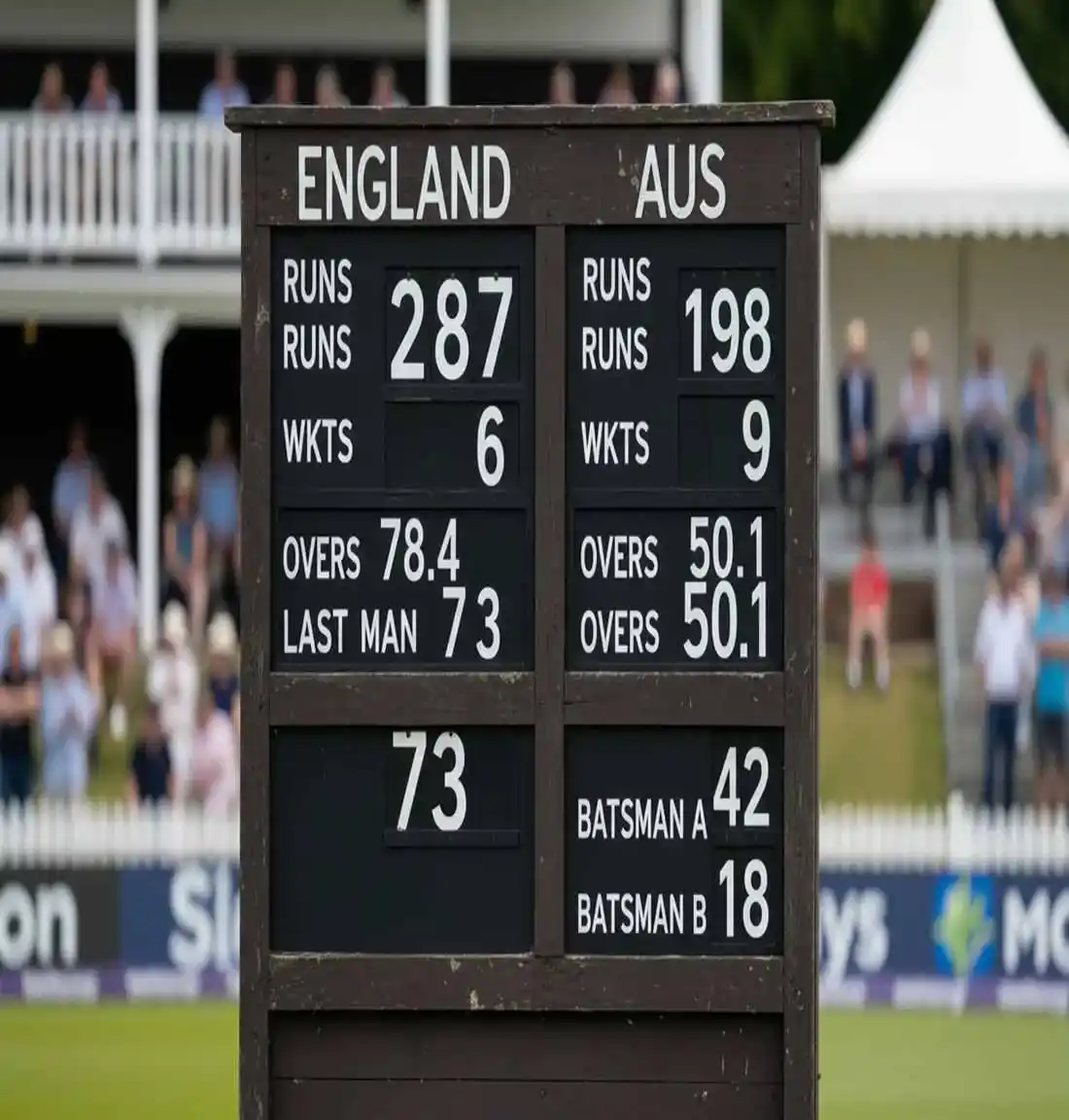
Test cricket’s three-way market creates complexity that many bettors mishandle. The draw isn’t simply a fallback when neither team can force victory. It’s a distinct outcome with its own probability that should be assessed independently. Weather forecasts, pitch characteristics, team scoring rates, and historical venue patterns all influence draw likelihood. When bettors focus only on which team will win without properly assessing draw probability, they systematically misprice the market, sometimes backing teams at odds that would only represent value if draws were impossible.
The Draw No Bet market addresses this complexity by removing draws from consideration. Your stake is refunded if the match ends in a draw, meaning you’re effectively betting on which team wins if the match produces a result. This removes one outcome but obviously provides worse odds than the three-way market for the team you fancy. The value calculation requires comparing the probability you assign to your selection winning against the odds offered, accounting for the possibility that a drawn match neither wins nor loses your bet.
Series winner markets extend match outcome betting across multiple contests. Before an Ashes series begins, you can back either England or Australia to win the overall series, typically best of five Tests. These markets require different analysis than individual match betting because you’re assessing cumulative probabilities across multiple matches. A team might be slight underdogs in each individual Test but still represent value for series victory if their chances compound favourably. Conversely, series favourites might offer poor value if their individual match odds don’t justify the series price.
Handicap betting transforms match outcome markets by giving one side a head start. If England are heavy favourites against a weaker opponent, straight match winner odds might be so short that betting feels pointless. Handicap markets address this by requiring England to win by a specified margin. You might find England minus 150 runs offered at even money, meaning they need to win by more than 150 runs for your bet to succeed. This creates value opportunities when you believe dominant teams will win convincingly rather than just scraping through.
The margin of victory market takes handicap logic further by offering specific winning margin bands. Rather than betting on whether England win by more than 150 runs, you might bet on them winning by between 100 and 200 runs specifically. These markets offer higher odds but require more precise predictions. They’re particularly relevant in limited-overs cricket where scoring patterns are more predictable and victory margins can be assessed with reasonable confidence.
Player Performance Markets
Moving beyond team outcomes, player performance markets focus on individual contributions. These markets often offer better value than match winner because pricing them requires assessing individual rather than team probabilities, and bookmakers have less data and fewer resources devoted to pricing individual performances precisely.

Top batsman markets ask you to identify which player will score the most runs for their team or in the entire match. This sounds straightforward but involves genuine analytical challenges. You’re not just predicting who will score runs but who will score more runs than specific alternatives. A player might be excellent without being the highest scorer if batting opportunities favour others. Batting position matters enormously because openers and number three batsmen face more deliveries than middle-order players who might never bat if early wickets don’t fall.
Bookmaker pricing for top batsman markets typically reflects reputation more than current form or specific matchup factors. Star players attract public money regardless of circumstances, meaning their odds are often shorter than true probability would justify. This creates systematic value on lesser-known players who happen to face favourable conditions. A county pro in form against an attack that suits their game might offer significantly better value than the famous international teammate whose name draws public attention.
Top bowler markets follow similar logic but for wicket-taking. You’re predicting which bowler will claim the most wickets, either for their team or in the entire match. Again, opportunities and matchups matter more than raw ability. A spinner might be the best bowler in England but take few wickets on a pace-friendly pitch against a side that plays spin excellently. The seamer who’s fourth choice in most conditions might suddenly represent value when everything aligns in their favour.
Player runs over/under markets set specific lines for individual batsmen. Bookmakers might offer Joe Root at 45.5 runs, allowing you to bet on whether he exceeds or falls short of that figure. These markets demand intimate knowledge of batting form, opposition bowling attacks, and conditions. They also require understanding of variance because even excellent batsmen get out cheaply sometimes and even modest players occasionally produce big scores. Consistent value comes from identifying when lines are systematically wrong rather than trying to predict individual innings perfectly.
Player wickets markets work identically for bowlers, with lines set on how many wickets they’ll take. A frontline bowler might be set at 2.5 wickets, with overs and unders offered at prices reflecting probability assessments. Analysing these markets requires considering bowling workloads, because bowlers who deliver more overs have more opportunities for wickets, alongside skill levels and conditions. Weather factors matter particularly for swing bowlers who might be devastating in overcast conditions but expensive when the sun shines.
Man of the Match betting rewards match-defining performances. These awards typically go to players who produce decisive contributions, whether batting centuries, significant wicket hauls, or occasionally exceptional fielding or all-round performances. All-rounders offer natural value because they have two opportunities to influence matches, though their shorter odds often reflect this advantage already. The betting edge comes from identifying situations where particular players are positioned for match-defining contributions at odds that underestimate their chances.
Runs and Totals Markets
Moving from individual players to aggregate scoring, runs and totals markets focus on how many runs are scored by teams or in entire matches. These markets reward understanding of conditions and team characteristics more than specific knowledge of individuals, making them appealing for bettors who focus on broader match dynamics.

Team totals set lines on how many runs a specific team will score in an innings or match. First innings totals are particularly popular because they’re straightforward to assess: you know exactly when the innings starts and finishes, and scoring depends on a known batting lineup facing a known bowling attack in observable conditions. Your analysis focuses on whether conditions favour batting or bowling, whether the batting team is in form, and whether the bowling attack has vulnerabilities to exploit.
Match totals aggregate runs from both teams across all innings. In limited-overs cricket, this means combined scores from two innings. In Test cricket, it can mean four innings totals, though markets typically focus on specific innings or match stages. High-scoring venues with short boundaries and flat pitches push totals markets higher, while bowler-friendly conditions compress expected scoring. Historical data on venue scoring patterns provides useful starting points, though you must adjust for the specific teams involved.
First innings leads markets in Test cricket focus on which team establishes advantage after both sides bat once. This market rewards understanding of how pitches behave across match stages. If conditions deteriorate significantly, batting first provides enormous advantage, and teams posting big first innings scores often go on to win. If conditions remain consistent, first innings leads matter less because second innings batting remains viable.
Session markets in Test cricket allow betting on runs scored during specific periods. Mornings, afternoons, and evenings each have distinct characteristics that experienced bettors can exploit. Fresh pitches and new balls typically assist bowling, making lower session totals attractive early in matches. As pitches flatten and balls soften, batting becomes easier, pushing afternoon and evening session totals higher. Weather changes throughout days add another dimension, with overcast periods favouring bowlers and sunshine assisting batting.
Boundary markets count specific types of scoring rather than total runs. Fours markets tally how many boundaries reach the rope without clearing it, while sixes markets focus on maximum hits. These markets require understanding of ground dimensions, batting styles, and bowling approaches. Short boundaries and flat pitches produce more boundaries, aggressive batsmen hit more maximums, and spin-heavy bowling attacks often concede more fours as batsmen use their feet to manufacture scoring opportunities.
Highest individual score markets ask which batsman will produce the single best innings in a match. Unlike top batsman markets where aggregate runs matter, this market rewards big individual scores regardless of who scores them. Conditions that favour big innings, whether flat pitches or tired bowling attacks, make high individual scores more likely. Form analysis focuses on identifying batsmen capable of converting starts into significant scores rather than those who accumulate runs across multiple smaller innings.
Specialized and Prop Markets
Beyond main markets, cricket offers numerous specialised propositions that attract less betting attention but sometimes provide genuine value. These markets exist because bookmakers want to offer variety that keeps bettors engaged, but the lower volume means pricing receives less scrutiny.

Toss winner markets are pure fifty-fifty propositions. The coin has no memory, captains have no special flipping skills, and historical patterns are statistical noise rather than predictive signals. Some bettors convince themselves they can predict tosses based on spurious reasoning, but bookmaker margins on these markets ensure that random guessing produces slow losses. Toss markets are entertainment rather than serious betting opportunities.
However, toss outcome betting, which focuses on what happens after the toss rather than who wins it, offers genuine analytical opportunities. In conditions where batting first provides clear advantage, the toss winner will almost certainly bat first, making that market trivially predictable once you know the toss result. More interesting are markets on whether the toss winner’s choice will prove correct, which requires assessing conditions and whether conventional wisdom about batting first or chasing will hold.
Method of first wicket markets ask how the opening dismissal will occur. Options typically include bowled, caught, LBW, run out, and other. Analysing these markets requires understanding batting techniques and bowling styles. Opening batsmen who play across the line frequently might offer value on LBW. Bowling attacks featuring heavy seam movement might produce more caught dismissals through edges. New ball conditions affect dismissal methods differently than older ball situations.
Century scored markets ask whether any batsman will reach three figures during specific innings or matches. Flat pitches and quality batting lineups make centuries more likely, while seaming conditions and strong bowling attacks make them rarer. These markets are particularly interesting in limited-overs cricket where century scoring has become more common but where specific conditions and matchups still influence probability significantly.
Fall of next wicket markets in live betting ask when the next dismissal will occur, typically expressed as a runs range. If the batting side is currently 150 for 2, markets might offer options for the third wicket falling between 150-175, 175-200, 200-225, and so on. Analysing these markets requires assessing both batsman security and match situation. A well-set pair on a flat pitch might bat for extended periods, while a new batsman against the new ball faces immediate danger.
Understanding Odds and Value
Whichever markets you choose, profitability requires understanding odds and identifying value. Odds represent bookmaker assessments of probability, with margins built in to ensure their profitability regardless of outcomes. Your job is finding situations where your probability assessment exceeds what the odds imply.
Decimal odds express total return per unit staked. Odds of 2.50 mean you receive 2.50 for every 1.00 staked if successful, representing a 40% implied probability. Odds of 1.50 imply approximately 67% probability. Converting between odds and probability becomes second nature with practice, and this conversion is essential for assessing whether specific bets offer value.
Value exists when your assessed probability exceeds the implied probability from odds. If you believe England has a 55% chance of winning a match but bookmakers offer odds implying only 45% probability, that’s a value bet regardless of whether England actually wins. Over many such bets, backing situations where your probability assessment exceeds implied odds produces profit, while backing situations where it doesn’t produces losses.

Line shopping maximises value by comparing odds across multiple bookmakers. Different operators price markets differently based on their own analysis, liability management, and competitive positioning. Having accounts with several bookmakers and checking prices before betting can add percentage points to long-term returns. This practice sounds tedious, and honestly it is, but it’s what separates recreational bettors from those who take profitability seriously.
Market timing also affects value. Odds move based on betting patterns, team news, and conditions updates. Early markets might offer value before information is fully incorporated into prices. Alternatively, waiting for team news and conditions reports might reveal value that wasn’t apparent when markets first opened. There’s no universal answer to whether betting early or late is better because it depends on your information sources and how quickly markets adjust to new information.
Choosing Your Markets
The variety of cricket betting markets creates a paradox of choice. Having dozens of options means you can always find something to bet on, but betting on everything means diluting your analytical edge across too many fronts. The most successful cricket bettors typically specialise in market types where their knowledge provides advantages rather than spreading attention across every available option.
Match outcome markets suit bettors who focus on team-level analysis. If your strength is assessing squad capabilities, conditions impacts, and likely match trajectories, these markets align with your expertise. The trade-off is competitive pricing from bookmakers who focus most attention on these high-volume markets.
Player performance markets reward individual-level analysis. If you follow specific players intensively, understand their games in detail, and can assess form fluctuations accurately, these markets let you express that knowledge. The trade-off is higher variance because individual performances are less predictable than team outcomes.
Totals markets appeal to bettors focused on conditions and scoring patterns rather than specific results. If your strength is assessing how pitches, weather, and team styles combine to influence scoring, totals markets let you bet on dynamics rather than outcomes. The trade-off is that getting direction right matters less than getting magnitude right, which requires precision that some bettors find uncomfortable.
Specialised markets suit bettors who enjoy finding edges in less-trafficked corners of betting landscapes. If you’re willing to research obscure propositions intensively, these markets can offer value because bookmaker pricing is less precise. The trade-off is lower liquidity and betting limits that constrain how much you can stake.
Whatever markets you choose, the key is matching bets to knowledge. Markets you understand deeply will reveal value that casual bettors miss. Markets you don’t understand will cost you money regardless of how attractive odds appear. Cricket’s market diversity means there’s something for every type of bettor. Your job is finding the markets that suit your expertise and approaching them with the analytical rigour that profitable betting demands.
The evolution of cricket betting markets continues as bookmakers respond to bettor demand and technological capabilities expand. Live betting has transformed what’s possible, with markets available on individual deliveries during matches. New proposition types emerge regularly, offering fresh opportunities for those willing to analyse them carefully. The fundamentals remain constant, however. Value comes from identifying probability mismatches between your assessment and bookmaker odds. Whether you find that value in traditional match winner markets or obscure props depends on where your knowledge provides advantages.
Starting with markets you understand, tracking results honestly, and expanding gradually into new areas as your knowledge grows represents the sensible approach. Trying to master everything immediately leads to diluted attention and inconsistent results. Cricket betting rewards depth over breadth, expertise over enthusiasm, and patient accumulation of edge over aggressive pursuit of quick profits. The markets are there for those willing to engage with them seriously. The question is which markets deserve your serious attention.
Build your bankroll safely with the trusted insights provided by our expert English cricket betting hub.
